South Asia Is Missing out on the Clean Energy Transition.
This article discusses the Afghan refugee crisis, claiming the world should have understood the risks of an international and humanitarian crisis before the conflict broke out. The failure to predict can become a lesson in prevention for future governments.
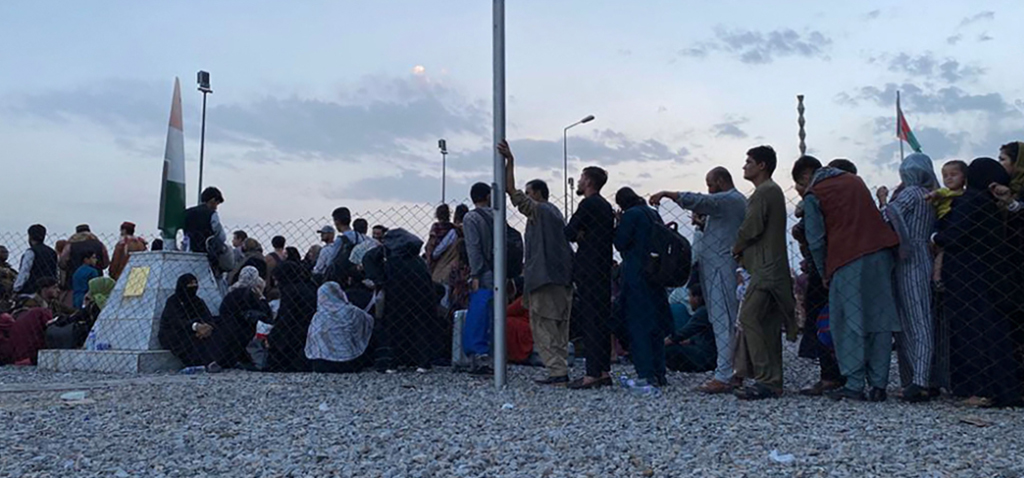
How the World Could Have Averted Afghanistan’s Surging Migration Crisis.
Being one of the regions most vulnerable to climate change, this article suggests countries in South Asia need to invest in home-grown policies and new technology to counter climate change.

The 8 Challenges in Pakistan’s Digital Transformation Journey.
This article summarizes Punjab's recent digital transformation projects, including the Dengue Monitoring Platform and computerization and automation of police stations in Punjab. The authors also discuss Pakistan's major challenges in its journey towards digital transformation.

Digital Payments in Transportation can Help Developing Cities Drive Economic Growth.
Public transit is both a challenge and an opportunity for cities in developing markets to expand the global economy. This article presents four ways digital payments can increase the efficiency and scale of public transit systems.

Can the Private Sector Help Address the Global Refugee Crisis?
Conflicts and instability have displaced over 68 million people from their homes around the world. This article shows that the private sector can help mitigate the global refugee crisis by partnering with humanitarian organizations and creating meaningful impact.
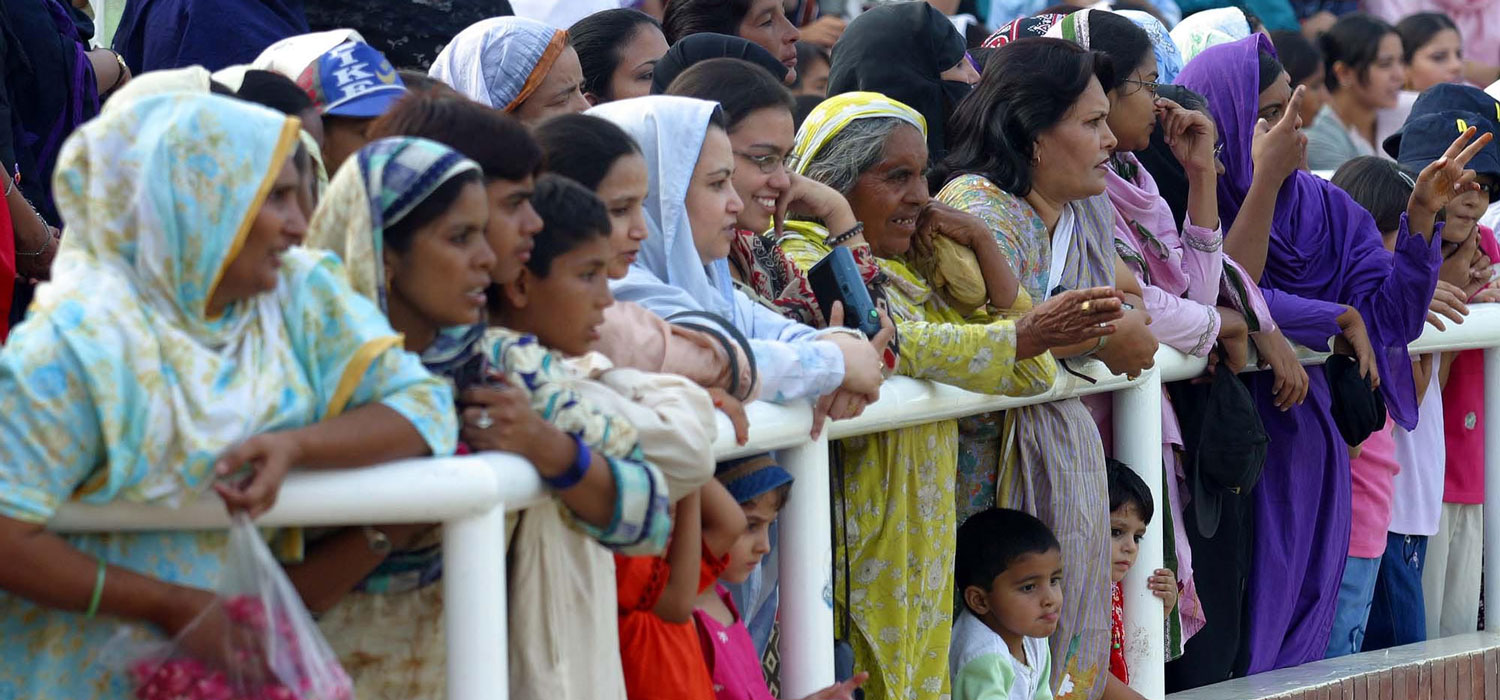
Using technology to improve women’s safety in Pakistan’s urban transit systems.
Sexual harassment is a taboo topic in the context of urban mobility. Women are potentially unaware of their rights, and both men and women have little or no knowledge about the definition of sexual harassment. Along with technological and policy innovation, social change will help women fight harassment in transportation.

In South Asian Slums, Women Face the Consequences of Climate Change.
South Asian women are affected disproportionally because of climate change. This blog post reflects on how environmental hazards push women into poverty and social and physical vulnerability and suggests the need for increased research on the topic.

A tale of two cities: Why There is No “One Solution” to Combating Spousal Abuse.
This blog analyzes the factors for reporting spousal domestic abuse in the slums of Islamabad, Pakistan, and Delhi, India, including progressive gender attitudes and female autonomy levels. Both Islamabad and Delhi require different and community-specific interventions to combat spousal violence.

Where Rents are Driven by Quality of Public Services, not Proximity to Transit.
This blog reflects on the urban transit system in Lahore, Pakistan. Since public transport rent in Lahore is motivated by quality instead of physical proximity, empowering local authorities and reform of governance institutions can help meet the mobility challenges.

Three Strategies for Empowering Women in Informal Economies.
In Pakistan, gender disparities aggravate issues in urbanization and informal economies. This article explains that lack of public transportation and poverty for women hinder their economic and physical mobility and suggests strategies for women in the informal economy to more effectively advocate for collective interests.

Ways to Enable Women’s Economic Empowerment.
This blog highlights the problems women face wokring in the labor force compared to men. It also suggests ways to achieve female economic empowerment.

What Keeps Cities in Asia and Africa From Effective Public Service Delivery?
This blog states rapidly urbanizing cties in Asia and Africa are unable to fulfil their economic potential, with many people without access to basic necessities. It lists down the factors affecting this problem in urban areas and offers feasible solutions.

Lessons on What Works in Supporting Women-Owned Businesses.
This article suggests possible solutions to the gender wage gap, including expanding research research, increasing stakeholder involvement, and utilizing the private sector to promote women's economic inclusion.

Without Improved Public Service Delivery, Women in Developing Countries Can’t Take Advantage of Economic Opportunity.
This article discusses the feminization of poverty and uses a case study from Nigeria to suggest how women in the informal economy advocate more effectively for improved access to services.

What Defines a “City”?
This article debates the different definitions of city and how a lack of agreement can impact policymakers and readers.